Best Fencer.dev Alternative for AI-Built Apps
- Focus
- Comparison
- Risk
- High
- Stack
- Supabase/Next.js
- Detection
- Ubserve Runtime Simulation

A practical comparison of Fencer.dev and Ubserve for teams deciding between broad security platform coverage and release-focused exploitability checks.
Fencer.dev is broad across security layers. Ubserve is focused on release confidence for founders shipping AI-built apps.




Secure your vibe-coded app with Ubserve
- ✓Takes less than 60 seconds
- ✓100+ security checks run through your app
- ✓Plain English explanations for each issue
- ✓AI fix prompts for every issue
Quick Answer: Is Fencer.dev or Ubserve Better for AI-Built Apps?
Choose Fencer.dev if you want broad multi-layer security platform coverage from one vendor.
Choose Ubserve if your key problem is release confidence in an AI-built app shipping quickly.
For a neutral baseline of what either tool should be catching, the OWASP Application Security Verification Standard is the reference I check findings against.
Fencer.dev vs Ubserve: Quick verdict
| If this is your reality | Better fit | Ubserve's advantage |
|---|---|---|
| You want broad security management across code/cloud/runtime | Fencer.dev | Faster release confidence with less operational overhead |
| You are founder-led and shipping weekly | Ubserve | Prioritizes exploitable release blockers |
| You are building long-term security operations stack first | Fencer.dev | Cleaner launch decision support now |
What you need to know
Fencer.dev is publicly framed as a broad platform covering vulnerability scanning and management across layers.
That can be valuable for teams building a comprehensive security operating model.
Ubserve stays intentionally focused.
It helps founders answer whether this release can be exploited through auth, data access, or secret exposure in real shipping conditions.
Pricing fit: Start with the free URL scan. If it finds issues, Starter ($25/mo, or $19/mo billed annually), Pro ($49/mo, or $35/mo billed annually), or a $39 one-time report unlock give you the full report, exact fix prompts, PDF export, and deeper audit coverage.
Features, depth, and pricing fit
| Category | Fencer.dev | Ubserve |
|---|---|---|
| Product scope | Broad security platform | Focused release-security workflow |
| Primary buyer shape | Teams building full security operations | Founders and small shipping teams |
| Public pricing posture | Multi-tier platform pricing | Free URL scan preview; paid full reports, fix prompts, and audits |
| Main value | Coverage breadth and centralization | Exploitability confidence at release |
| AI-builder context | Broad security framing | Cursor IDE/Bolt.new shipping workflow focus |
| Core risk emphasis | General vulnerability management | Supabase RLS, BOLA/IDOR, key exposure |
Detailed workflow comparison
Fencer.dev workflow
Fencer.dev aligns with teams building a centralized, broad security program across multiple domains.
That operating model supports long-term governance and consolidated visibility.
Ubserve workflow
Ubserve aligns with founder-speed launch decisions.
It is intentionally scoped to confirm whether current app behavior creates exploitable user, data, or billing risk.
Pricing fit by team stage
| Team stage | Typical need | Better fit |
|---|---|---|
| Early founder team | Fast release confidence | Ubserve |
| Growing startup building sec ops layer | Broad platform coverage | Fencer.dev |
| Multi-product org | Centralized security oversight | Fencer.dev |
| Founder-led launch sprint | Exploitability-first prioritization | Ubserve |
Edge cases that usually decide the tool
- Authorization logic passes code review but fails object-level access boundaries.
- RLS policies exist, but role-path exceptions expose sensitive tables.
- Credential handling in rapidly shipped features leaks high-impact secrets.
These cases usually demand precise release confidence rather than broad posture summaries.
Migration path for broad-platform teams
- Keep broad platform workflows for governance and coverage.
- Add Ubserve before release windows to validate exploitability in app behavior.
- Tie launch decisions to exploitable findings affecting data or payments.
Pros and cons
Fencer.dev
| Pros | Cons |
|---|---|
| Broad coverage can reduce tool sprawl. Useful for teams building full-platform security governance. Suitable for organizations maturing security operations over time. |
Founder teams can get more breadth than they need early. Broader scope may increase setup and triage overhead. Launch-specific confidence can still require focused validation. |
Ubserve
| Pros | Cons |
|---|---|
| Delivers founder-readable release confidence quickly. Focuses on attacker-relevant outcomes for live app behavior. Matches high-velocity AI-assisted shipping workflows. |
Narrower than broad security platforms by intent. Not a complete substitute for every governance feature set. Best for teams actively shipping and iterating. |
Why teams switch from Fencer.dev to Ubserve
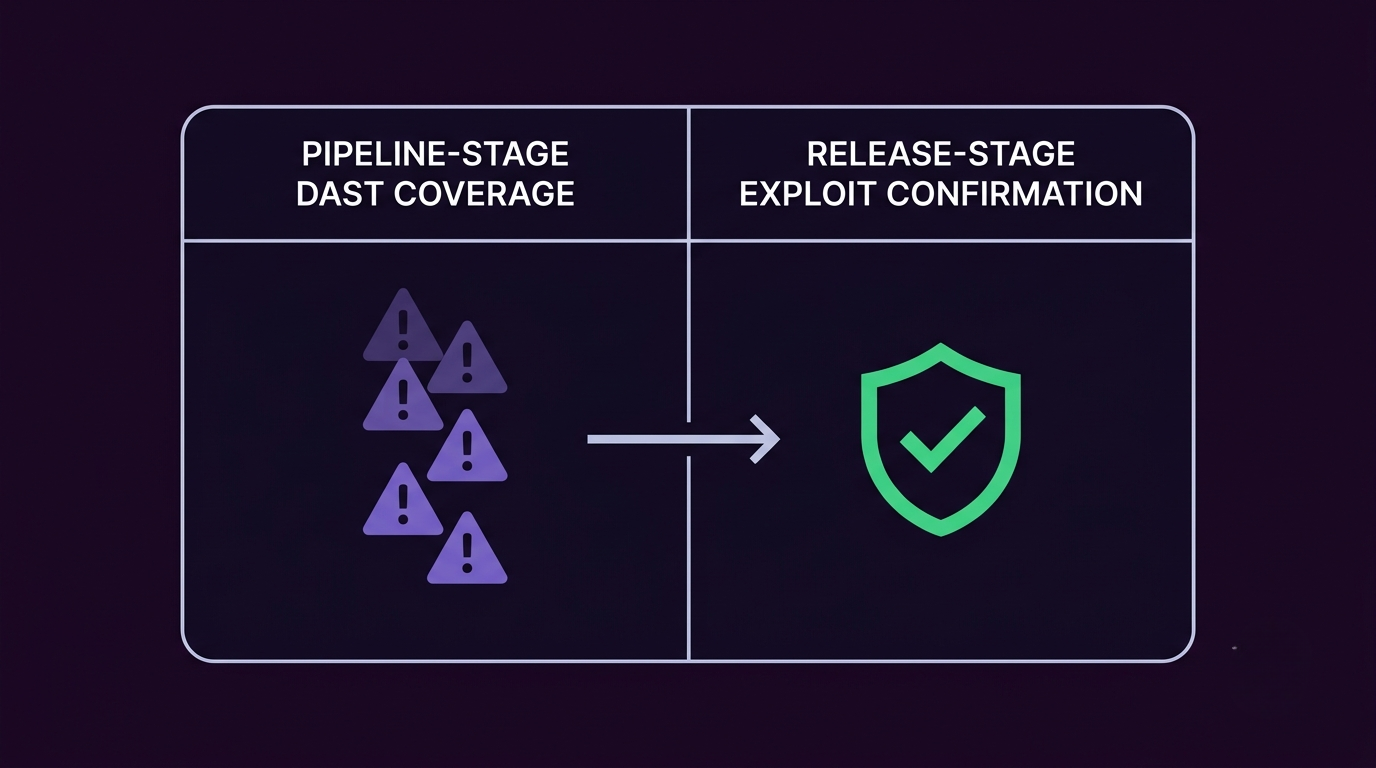
The switch usually happens when broad coverage exists but release anxiety remains.
Founders need clarity on exploitability, not only inventory.
The highest-impact misses are often logic failures:
Supabase RLS drift, BOLA/IDOR vulnerabilities in generated handlers, and Stripe API Secret Keys leakage through client or edge exposure.
Who should use which
Choose Fencer.dev if
- You are building a broad, centralized security operations layer.
- Your team needs multi-domain coverage under one platform.
- Long-term governance breadth is the top priority.
Choose Ubserve if
- You need fast confidence right before launch.
- You are shipping AI-built features continuously.
- You want security output mapped to attacker-relevant product risk.
Run a free URL scan. If it finds issues, paid plans unlock the full report, exact AI fix prompts, PDF export, and deeper audit coverage.
About the author

I'm Samuel, known online as Mr. Ballaz. I build Ubserve, a security scanner for apps built with AI tools like Cursor, Bolt, Lovable, and Supabase. Before Ubserve, I did manual security audits by hand — checking auth, exposed keys, and RLS policies one by one. Ubserve is that manual audit, automated, running in under 60 seconds instead of days.
Related resources

FAQs
How do I decide if I should switch now or later?+
Will this make security easier for non-specialists?+
What gives better day-to-day guidance while shipping?+
When does Fencer.dev still make sense?+
What should I optimize for if releases are frequent?+
Looking for a better alternative to Fencer.dev?
Ubserve helps founders and teams validate exploitable risk in AI-built apps with attacker-first checks, clear fix guidance, and release confidence in one workflow.