AI Agent Security: Best Practices for Production Systems (2026)
- Focus
- AI Agent Security
- Risk
- High
- Stack
- Supabase/Next.js
- Detection
- Ubserve Runtime Simulation
AI agent security controls how agents access tools, memory, and data — the real risks, and the practices that actually reduce them in production.
Most AI agent security incidents happen in execution, not reasoning. Scoped permissions, context provenance, and runtime policy enforcement are what actually contain the blast radius.




Secure your vibe-coded app with Ubserve
- ✓Takes less than 60 seconds
- ✓100+ security checks run through your app
- ✓Plain English explanations for each issue
- ✓AI fix prompts for every issue
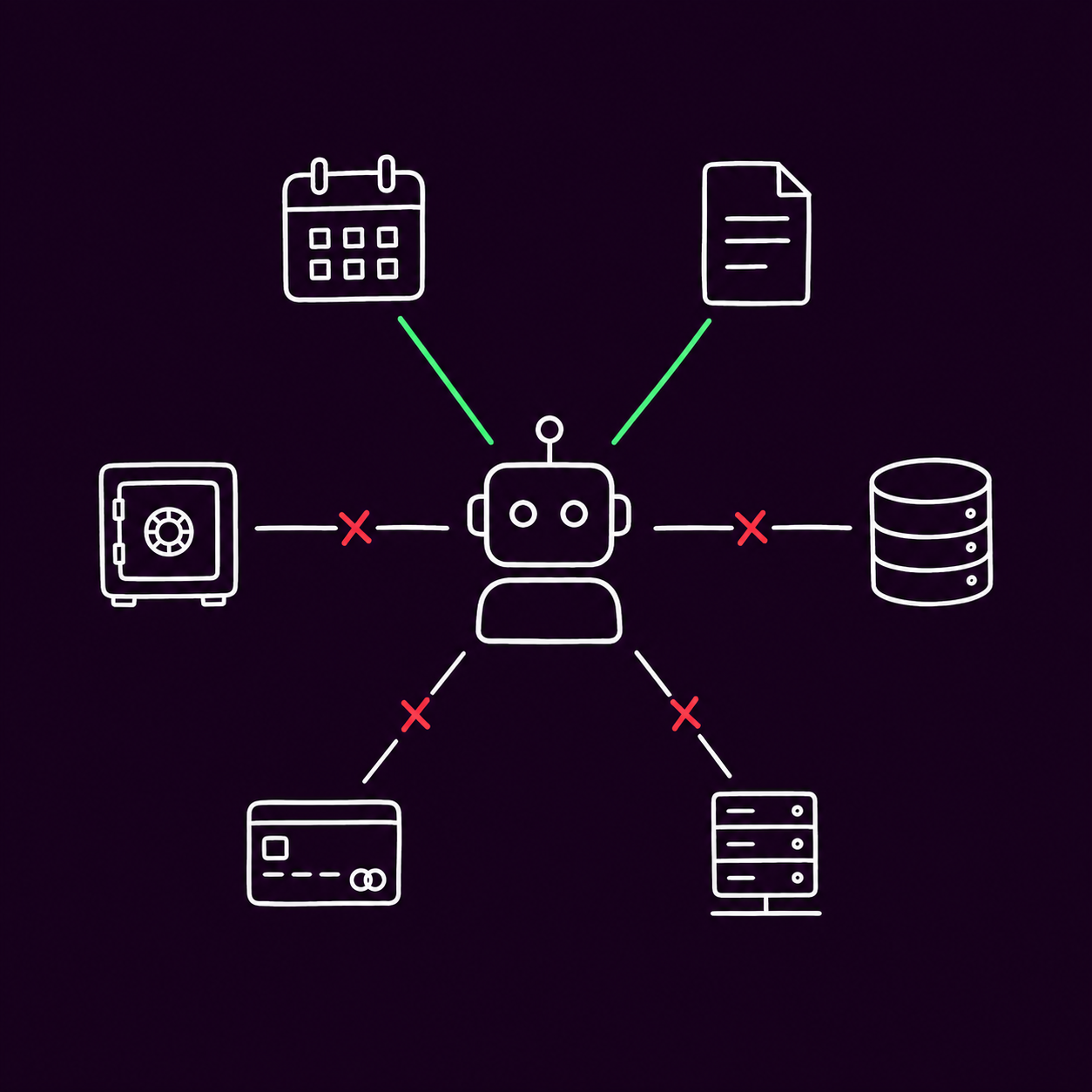
AI agent security means treating the agent as an untrusted planner with constrained execution rights, not as a trusted extension of your own code. Security posture is defined by permission boundaries, context trust controls, and runtime enforcement, not by how reasonable the model's plans look.
Most production incidents happen in execution, not reasoning. The model can suggest a plausible plan, but security depends on whether tool calls are scoped, side effects are policy-gated, and every high-impact action is logged and reviewable.
A simple analogy: give an intern access to calendars and notes, not the payroll account and production database. Capability design, not confidence in intent, is what keeps the system safe.
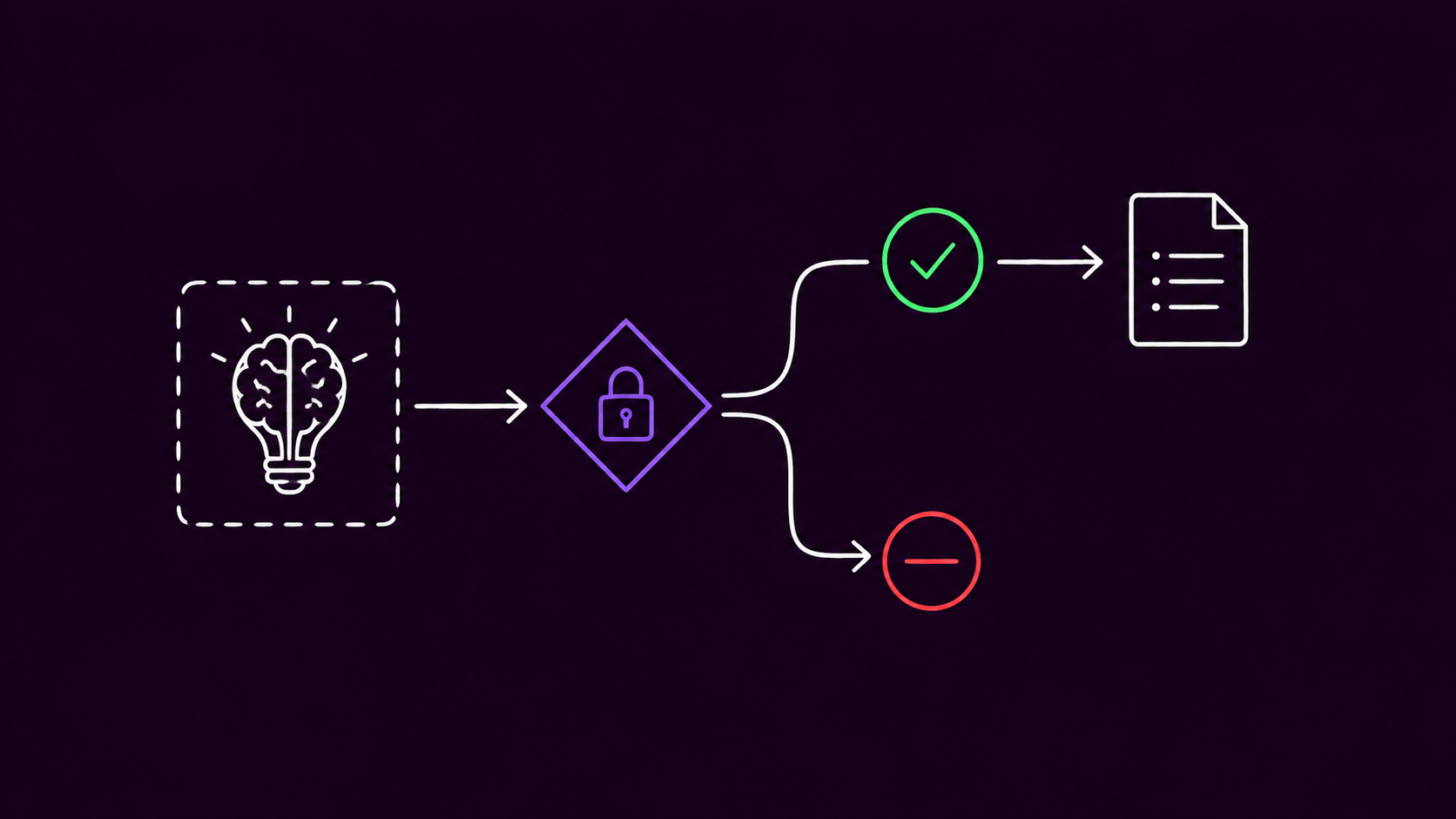
The planning stage and the execution stage need to be treated as separate trust zones: an agent can generate any plan it wants during planning, but nothing side-effectful should execute without passing through a policy gate and landing in an audit log first.
Start free scan | See sample audit
Agentic Risk (Cursor, v0, Bolt)
The most common failure we see in production agent deployments isn't a single dramatic exploit, it's an agent quietly running with broader tool permissions than its declared task actually requires. That excess scope doesn't cause a problem on its own, but it directly determines how much damage a single compromised prompt or malicious tool response can do. This is closely related to agent goal hijacking, where accumulated context gradually redirects an agent toward an unauthorized objective, and to indirect prompt injection, which is often the entry point.
Wrong vs. Right
WRONG: single agent with broad write/delete scopes across tools
RIGHT: scoped agents + capability allowlists + human/policy approval for high-impact actions
Copy-Paste Fix Prompt for Cursor/Claude
Apply 2026 agent security best practices to my system.
1. Build a capability inventory per agent and tool.
2. Reduce each agent to minimum required scopes.
3. Add policy approval for high-impact actions (billing, deletion, admin changes).
4. Add structured audit logs for every side-effectful tool call.
Return policy config + code changes.
Two specific attack patterns worth reviewing alongside this checklist: MCP impersonation, where an agent is tricked into trusting a malicious tool server, and the broader OWASP LLM Top 10 for the full risk taxonomy this fits into.
Run a free URL scan. If it finds issues, paid plans unlock the full report, exact AI fix prompts, PDF export, and deeper audit coverage.
About the author

I'm Samuel, known online as Mr. Ballaz. I build Ubserve, a security scanner for apps built with AI tools like Cursor, Bolt, Lovable, and Supabase. Before Ubserve, I did manual security audits by hand — checking auth, exposed keys, and RLS policies one by one. Ubserve is that manual audit, automated, running in under 60 seconds instead of days.
Related resources
How Ubserve Applies This in Real Scans
Ubserve treats AI Agent Security: Best Practices for Production Systems (2026) as a production risk, not a theory term. Our runtime simulation maps this control to attacker paths in auth, data access, and API behavior, then returns fix-ready guidance tied to your stack. OWASP-style principles are used as the baseline, but we prioritize what is actually exploitable in your live flow.
Runtime exploit simulation + behavioral authorization checks.
Clear proof path showing where trust boundaries fail.
AI-ready fix prompts and implementation-level patch guidance.
FAQs
What is AI agent security?+
What is the most important AI agent security control?+
What are the biggest AI agent security risks?+
How do I secure an AI agent in production?+
Is agent security different from traditional application security?+
Want Ubserve to test this risk in your app?
Run a scan and get attacker-first validation, exploit evidence, and fix guidance mapped to ai agent security: best practices for production systems (2026).